Personal inventory checklist, room by room
What to photograph and write down in every room, plus the spots people forget, so your list holds up if you ever need to make a claim.
 The BoxTrack team · · 4 min read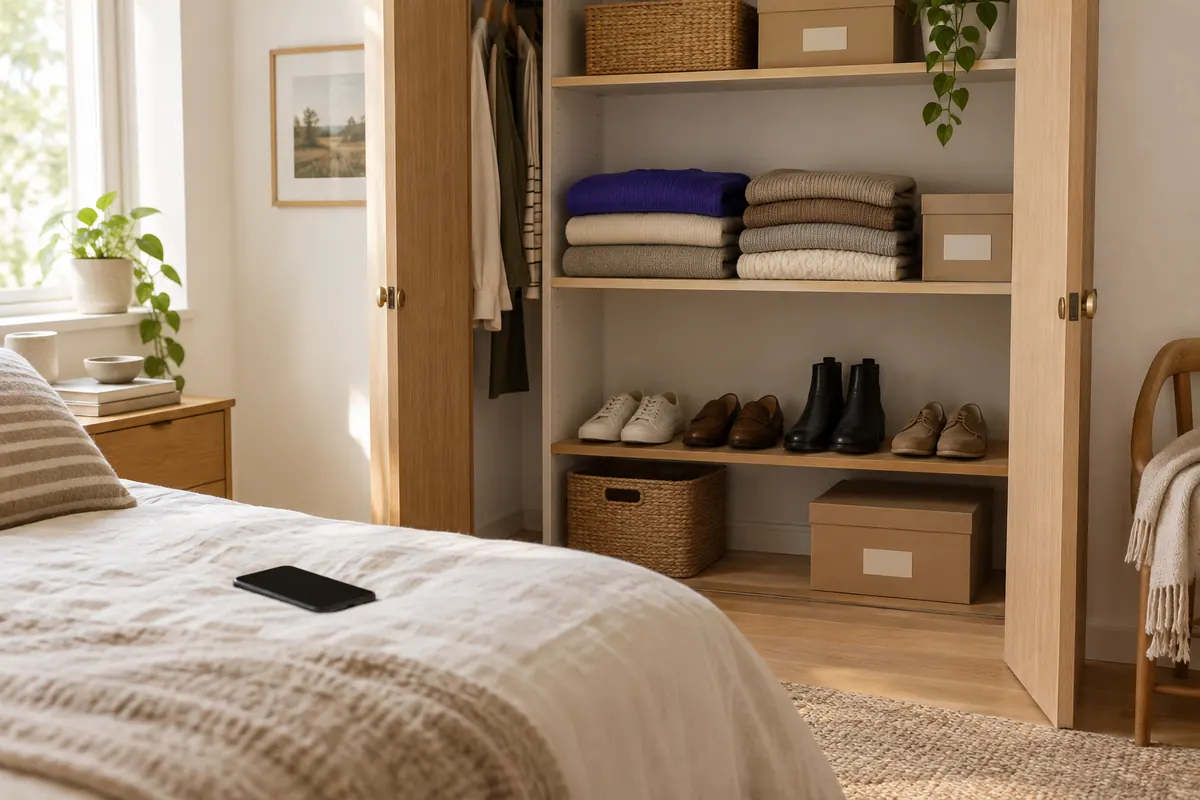
A pipe bursts in the upstairs bathroom while you're away for the weekend. The ceiling below comes down onto the bookcase, the TV and the rug. The insurer asks for a list of what was damaged. You know the TV. What about the books, the speaker on the shelf, the throw blanket, and the box of photo albums under the side table?
A personal inventory checklist fixes that before it happens. Below is the checklist we'd use ourselves: what to record for each item, then what to look for in each room, then the places that get skipped.
What to record for each item
FEMA's guide to documenting and insuring your property says photos and video are fine, but you should also write down a description, with the year, make and model where they apply. It also suggests an appraisal for valuable items. Missouri's insurance department adds serial numbers for expensive electronics and appliances.
Not everything needs the same detail. This is roughly how we'd split it:
| Photo | Brand and model | Serial number | Receipt or appraisal | |
|---|---|---|---|---|
| TVs, computers, cameras | ✓ | ✓ | ✓ | ✓ |
| Large appliances | ✓ | ✓ | ✓ | ✓ |
| Jewelry, watches, art | ✓ | ✓ | ✗ | ✓ |
| Furniture | ✓ | ✓ | ✗ | ✗ |
| Clothes, books, dishes | ✓ | ✗ | ✗ | ✗ |
For the last row, count instead of listing. "Hardback books, about 150" and "Winter coats, 4" is the level of detail an adjuster can work with.
Room-by-room checklist
Missouri's Department of Commerce and Insurance publishes a home inventory checklist laid out room by room, from the living room and kitchen to each bedroom, the bathrooms, and outdoor and seasonal things. Ours follows the same route.
Living room. Sofa and chairs, tables, rugs, lamps, TV and sound system, game consoles and games, books, records, framed art, decorations.
Kitchen. The large appliances, then the small ones: mixer, coffee machine, air fryer, blender. Pots and pans, knives, dishes and glasses by set, small electrics in the back of the cupboard. The kitchen is usually where an inventory comes up short, because so much of it is in drawers.
Bedrooms. Bed and mattress, dressers, bedding, clothes counted by type, shoes, bags, jewelry, watches, and anything on the closet shelf.
Bathrooms and linen closet. Towels, hair tools, electric toothbrushes and shavers, scales, a medicine cabinet's worth of small things.
Home office. Desk, chair, computer, monitors, printer, router, phones, tablets, external drives, and software or licences you'd have to buy again.
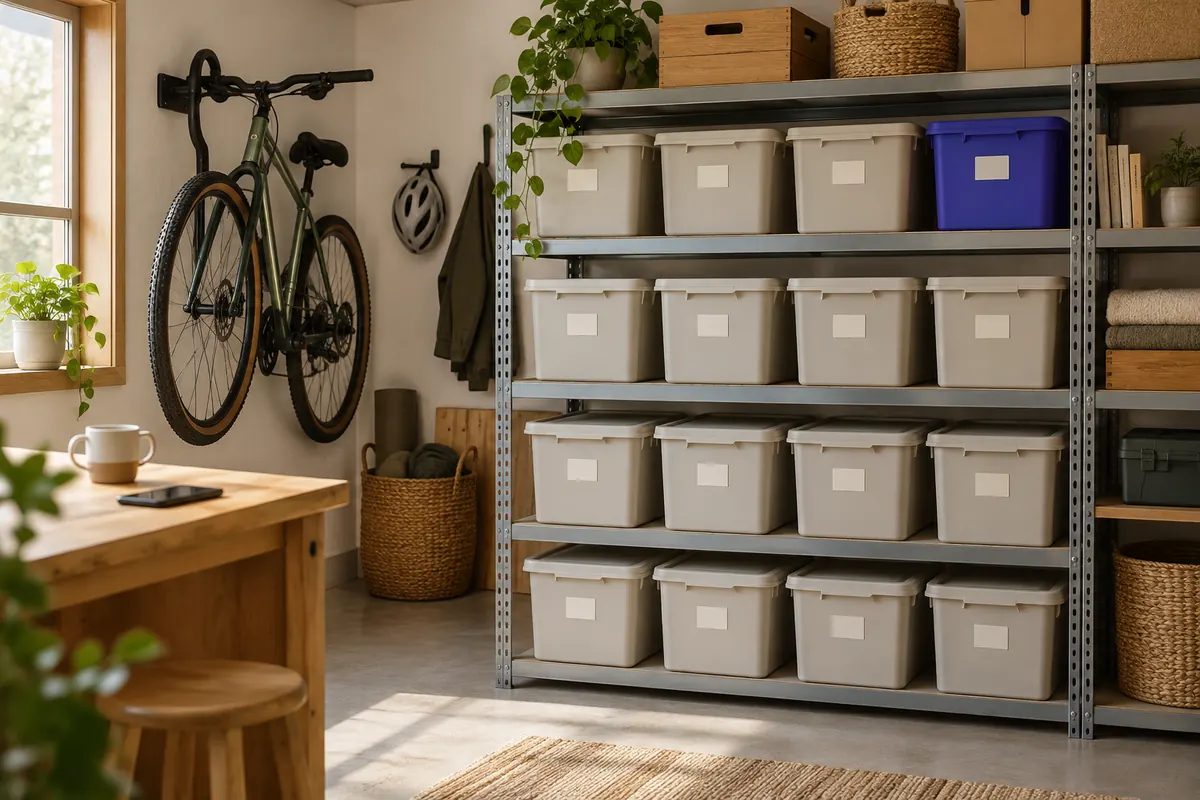
Garage, basement and attic. Power tools, hand tools, bikes, sports gear, camping gear, holiday decorations, and every storage bin. Note what's in each bin, not just "bins, 12".
Outside. Grill, patio furniture, mower, planters, a playset, a shed and what's in it.
Our free home inventory checklist has these rooms as a tick list you can print or fill in on your phone.
The things people forget
Missouri's checklist tips call out something easy to miss: list the things you carry with you, like your phone, laptop, jewelry and camera. They're the items most likely to be stolen, and they're never in the room when you walk around with a camera.
Also check:
- the backs of closets and the space under beds
- a storage unit, if you rent one (our storage unit inventory list helps)
- things lent to family, or kept at a second home
- collections you add to slowly, like records, tools, coins or sneakers
When to update it
Keeping the list current
- The day it arrivesPhotograph any big purchase, its serial number and receipt
- Once a yearWalk every room and add what's new (Connecticut's suggestion)
- Before a moveCheck the list against what you're packing
- After a lossMark what was damaged and send it to your insurer
California's insurance department suggests reviewing your inventory three or four times a year; once a year plus each big purchase is a good minimum.
Where to keep it
An inventory kept only on a laptop in the house can be lost with the house. Keep a copy somewhere else: cloud storage, an email to yourself, a relative, or a safe deposit box. Missouri suggests keeping the completed checklist in a safe, fire-proof place.
Doing it on your phone
Paper is fine for a first pass, but you'll take the photos on a phone anyway, so an app saves you typing. The NAIC, the association of state insurance regulators, has a free Home Inventory app. If you used the Insurance Information Institute's old Know Your Stuff tool, it's no longer listed as active; we cover what to use instead.

In BoxTrack, you make a "box" for each room, closet or bin, take a photo, and AI lists what it sees with an estimated value you can change. Serial numbers and receipts go in as extra photos on the item, and the whole list exports to Excel or as a PDF report if you ever need to file a claim. See how it works as a home inventory. Your first box is free.
If you're starting from nothing, our guide to how to create a home inventory has a one-afternoon plan, and home inventory for insurance covers what an adjuster looks for.
Sources
- FEMA and Ready.gov, Document and Insure Your Property
- Missouri Department of Commerce and Insurance, Home inventory checklist
- Connecticut Insurance Department, Consumer advisory, April 4, 2025
- California Department of Insurance, Home Inventory Guide
This is general information, not insurance advice. What your policy covers, and what proof your insurer needs, depends on your policy and your state.