PCS weight allowance: how to estimate your household goods
How to find your PCS weight allowance, estimate what your household goods weigh, and avoid an excess weight bill after the move.
 The BoxTrack team · · 6 min read
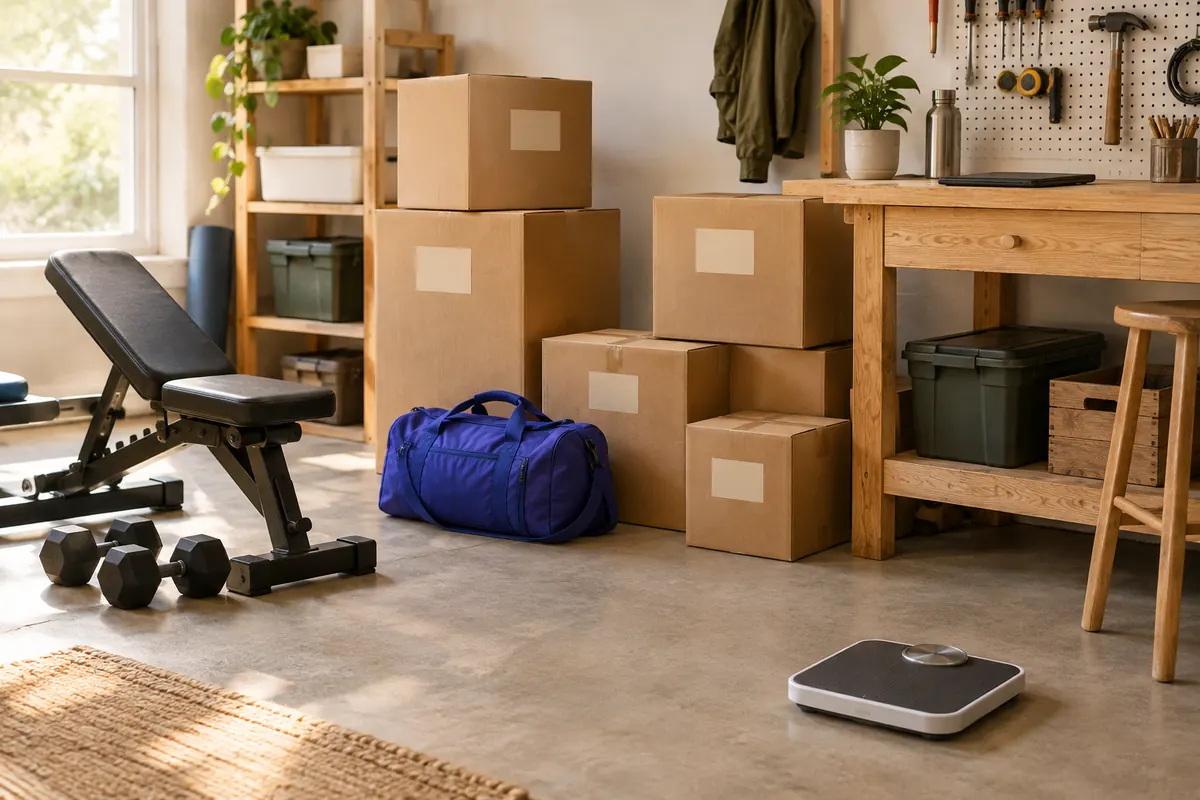
The orders came in August. The counseling appointment asked for an estimated weight, and the honest answer was a shrug. Three bedrooms, a garage with a weight bench in it, a dining table that took four people to carry in. Was that 8,000 pounds or 14,000?
It matters, because on a PCS move you pay for anything over your weight allowance, and you usually don't find out until after the truck is loaded. Here's how to find your number and get a real estimate before the packers come.
Find your allowance
Your household goods weight allowance is set by the Joint Travel Regulations (JTR), in Table 5-37. It depends on your pay grade and whether you have dependents. Military OneSource points members to that table, and NAVSUP's authorized weight allowance page lays it out by grade. Two examples from it:
- An E-5 with dependents: 9,000 pounds. Without: 7,000.
- An O-3 or W-3 with dependents: 14,500 pounds. Without: 13,000.
The most anyone can ship at government expense is 18,000 pounds. Some overseas locations also have a lower administrative weight limit, so check the JTR supplement for your new duty station if you're going OCONUS. Confirm your own number in the Defense Personal Property System (DPS) or with your transportation office before you plan around it.
Numbers to plan around
What doesn't count
Some weight sits outside the allowance, if it's declared and listed correctly.
Pro-gear. Professional books, papers and equipment (PBP&E) needed for your job don't count against your allowance. A NAVSUP pro-gear guide sets the member's limit at 2,000 pounds and a spouse's at 500, with the spouse's limited to things needed for work or community support at the new location and approved ahead of time. Declare the estimated pro-gear weight in DPS, and keep it together so the packers list it as pro-gear.
A gun safe. Since May 1, 2022, the weight of an empty gun safe, up to 500 pounds, can ship on top of your allowance, within the 18,000-pound total, according to the Defense Transportation Regulation's member guide.
Everything else counts, including unaccompanied baggage on an overseas move.
Estimate it two ways
By room. The quick method in older DoD moving guides is about 1,000 pounds per room, not counting bathrooms and storage rooms, then adding large appliances and whatever's in the garage, basement and shed. Some installation transportation offices now tell members to use 1,500 pounds per furnished room instead. Run both numbers. If your allowance is between them, you need a closer look.
By item. The DoD weight estimator, linked from Military OneSource and the transportation office, has you count your things room by room and gives a total. It takes longer and comes out closer, especially for homes with heavy furniture, a workshop or a gym.
Either way, it's an estimate. The DTR's member guide is blunt about it: weight estimates are planning tools only, and you can never use one to dispute excess weight charges. The scale at the weigh station decides.
| Counts toward the allowance | Usually outside it | |
|---|---|---|
| Furniture, boxes, appliances | ✓ | ✗ |
| Unaccompanied baggage | ✓ | ✗ |
| Declared pro-gear, member and spouse | ✗ | ✓ |
| Empty gun safe, up to 500 lbs | ✗ | ✓ |
Where the weight hides
The rooms are rarely the problem. The garage is. Exercise equipment, tools, a workbench, a riding mower, bags of soil and stacks of tile left from a project all weigh far more than they look.
Other places to check:
- Books, especially full bookcases
- Solid wood furniture and anything with a stone or glass top
- Paper: files, old school work, magazines
- Duplicates: a second set of pans, a second TV, a second freezer
If you're close to the limit
The Army's PCS benefit summary puts the minimum excess cost at about $100 for every hundred pounds over the allowance, and the DTR says excess charges can run from several hundred to several thousand dollars. You, not the transportation office or the mover, are responsible for staying within your allowance.
Ways to bring it down:
- Sell, donate or give away before the move. Our guide to selling furniture on Facebook Marketplace covers doing it in time.
- Use up the pantry, cleaning products and garage supplies rather than packing them.
- Declare all your pro-gear. It's common for it to go uncredited because nobody listed it.
- Move some of it yourself. A partial PPM can carry part of your goods, with weight tickets to prove it. Ask your transportation office how it affects your allowance and payment.

After the weigh-in
When the weight comes back, check it. Military OneSource suggests confirming that your pro-gear was subtracted and that packing material was accounted for, usually figured at 10 percent of the net weight.
If you're still over and the shipment hasn't been delivered, you can ask for a reweigh. The DTR says the transportation office can authorize one at no cost to you, it has to happen before you accept delivery, and you can watch it or ask to see the weight tickets. If the reweigh still shows excess weight, expect a bill.
Weight, from orders to delivery
- OrdersLook up your allowance by grade and dependents
- Before counselingEstimate by room and by item; list pro-gear
- Six weeks outSell, donate or plan a partial PPM if you're close
- Packing dayMake sure pro-gear is packed and listed separately
- Weigh-inCheck the weight; ask for a reweigh before delivery
Know what you're shipping
A weight estimate is only as good as the list behind it, and that same list is what protects you if something is lost or broken.
BoxTrack keeps it as you pack. Make a box in the app for each carton, snap a photo of what goes in, and AI lists the items with an estimated value for you to check. Print a QR label for each box, and the list stays with the box from the old house to the new one. BoxTrack doesn't weigh anything or file anything with the military; it's your own record. The free PCS inventory checklist is a place to start, and here's how BoxTrack works for military moves. Your first box is free.
For the inventory and claims side of the move, see keeping your own PCS inventory.
Sources
- NAVSUP, Authorized weight allowance
- NAVSUP, Moving professional books, papers and equipment (pro-gear)
- U.S. Army Corps of Engineers, It's Your Move (DoD civilian employee guide)
- Fort Knox transportation office, household goods guide
- Defense Transportation Regulation Part IV, Attachment K1: It's Your Move, Armed Forces Members
- Military OneSource, Military PCS and moving FAQs
- Defense Travel Management Office, JTR supplement: administrative household goods weight allowance locations
- U.S. Army, Permanent change of station for soldiers
This is general information, not official guidance. Weight allowances and rules come from the Joint Travel Regulations and your service, and they change. Confirm your numbers with your transportation office before you move.